A non-profit working towards global equality in newborn jaundice care.
Donate today to give newborns the start in life they deserve
Over 10 million newborns develop severe jaundice every year, mostly in low resource settings, with around 200,000 at risk of brain damage or loss of life.
Donate today to give newborns the start in life they deserve.
To give every newborn, in every setting the best start in life, through access to timely jaundice care.
Working towards a world where no newborn needs to suffer unnecessarily from the consequences of untreated jaundice.
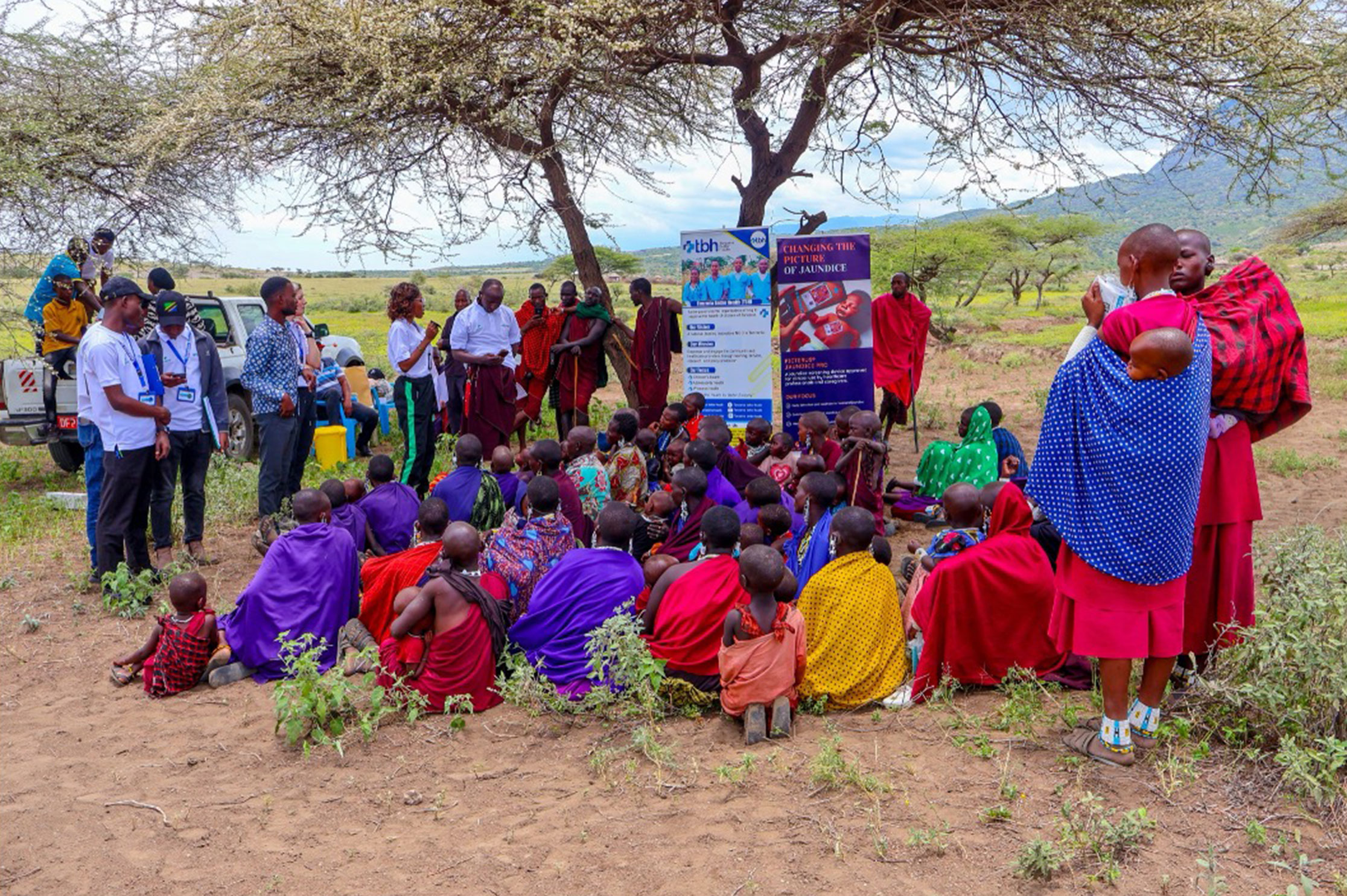
Location: Monduli, Tanzania
Date: 11-14th March 2025
Partner: Tanzania Better Health (TBH)
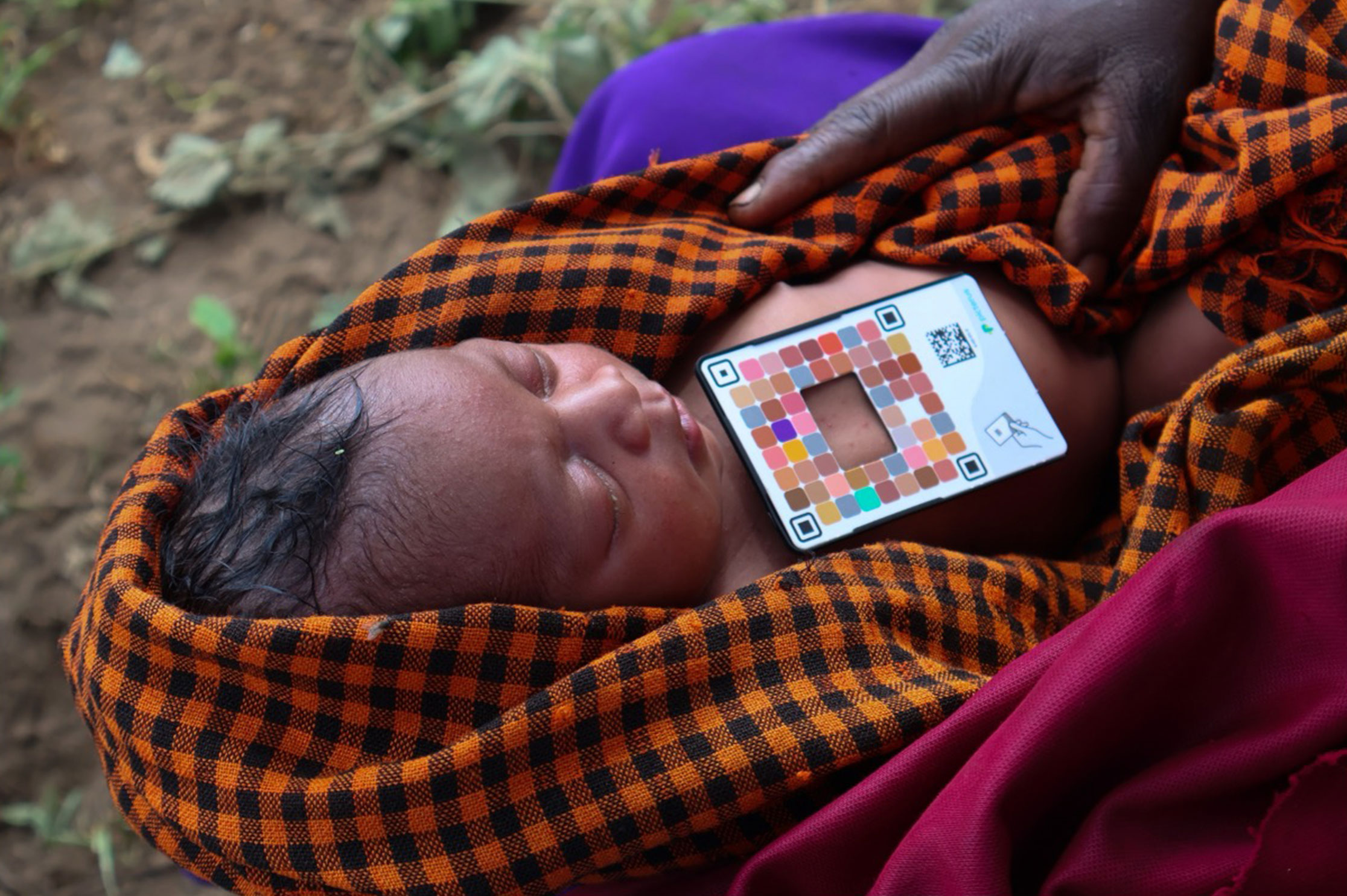
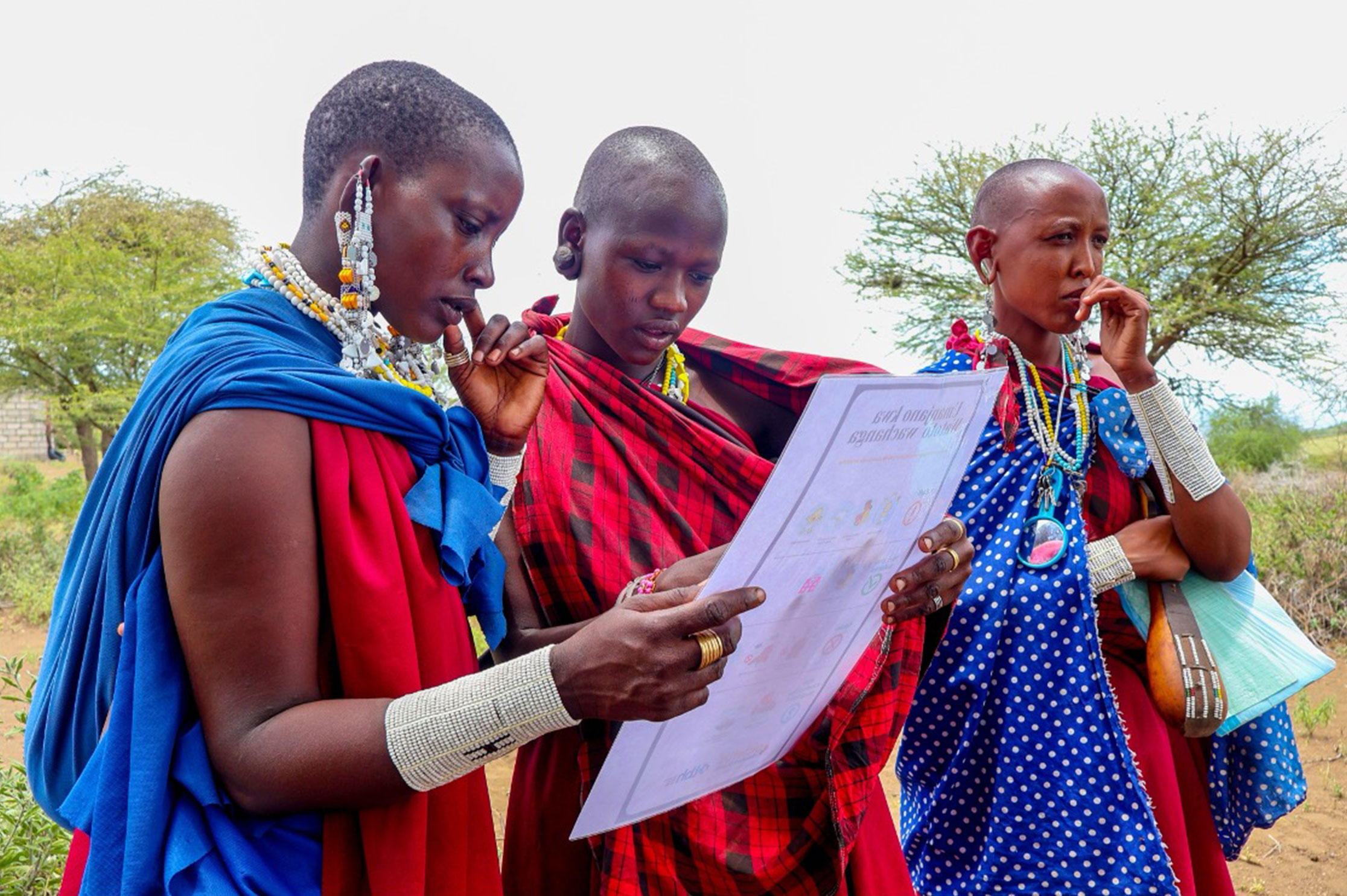
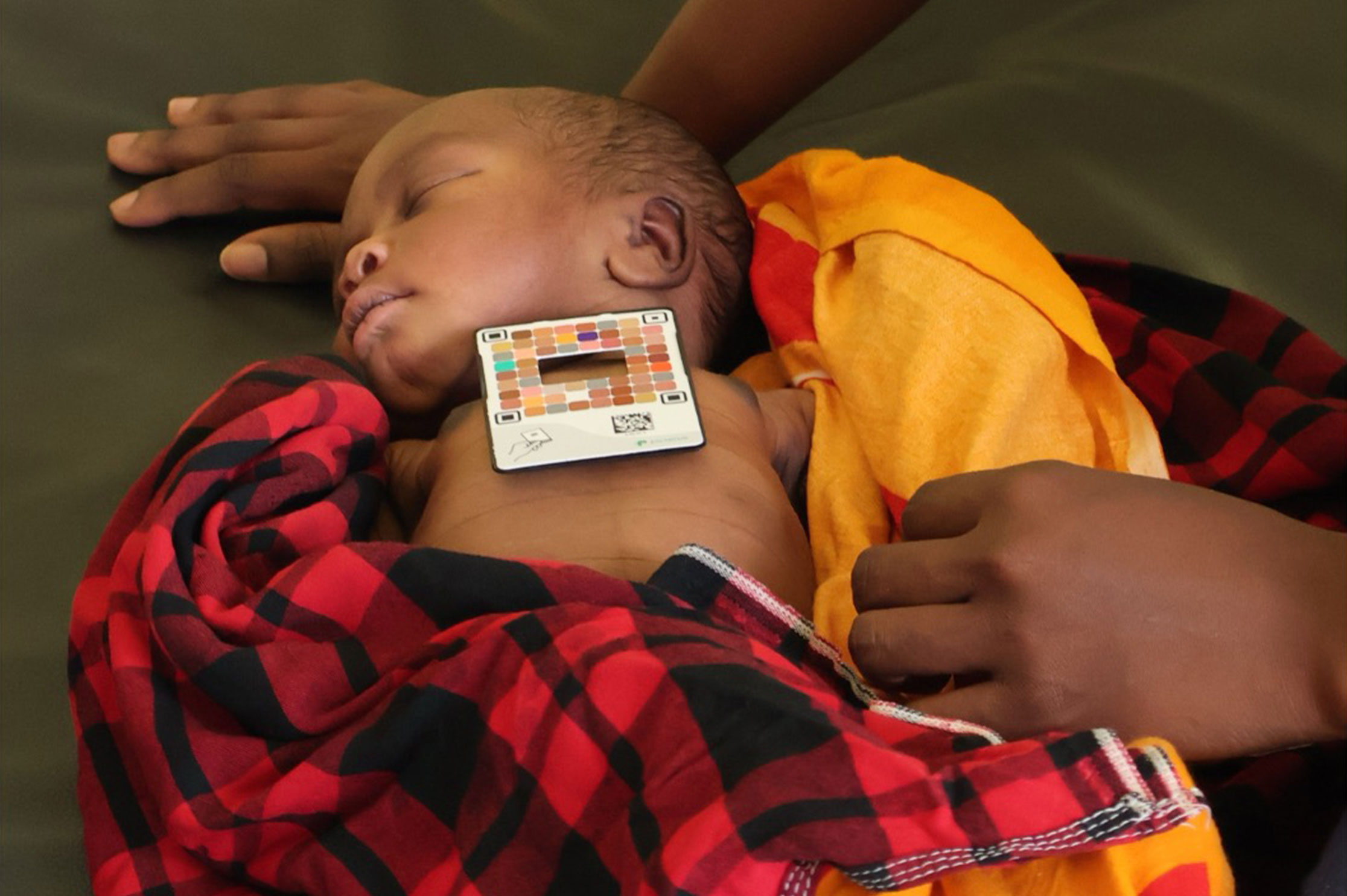
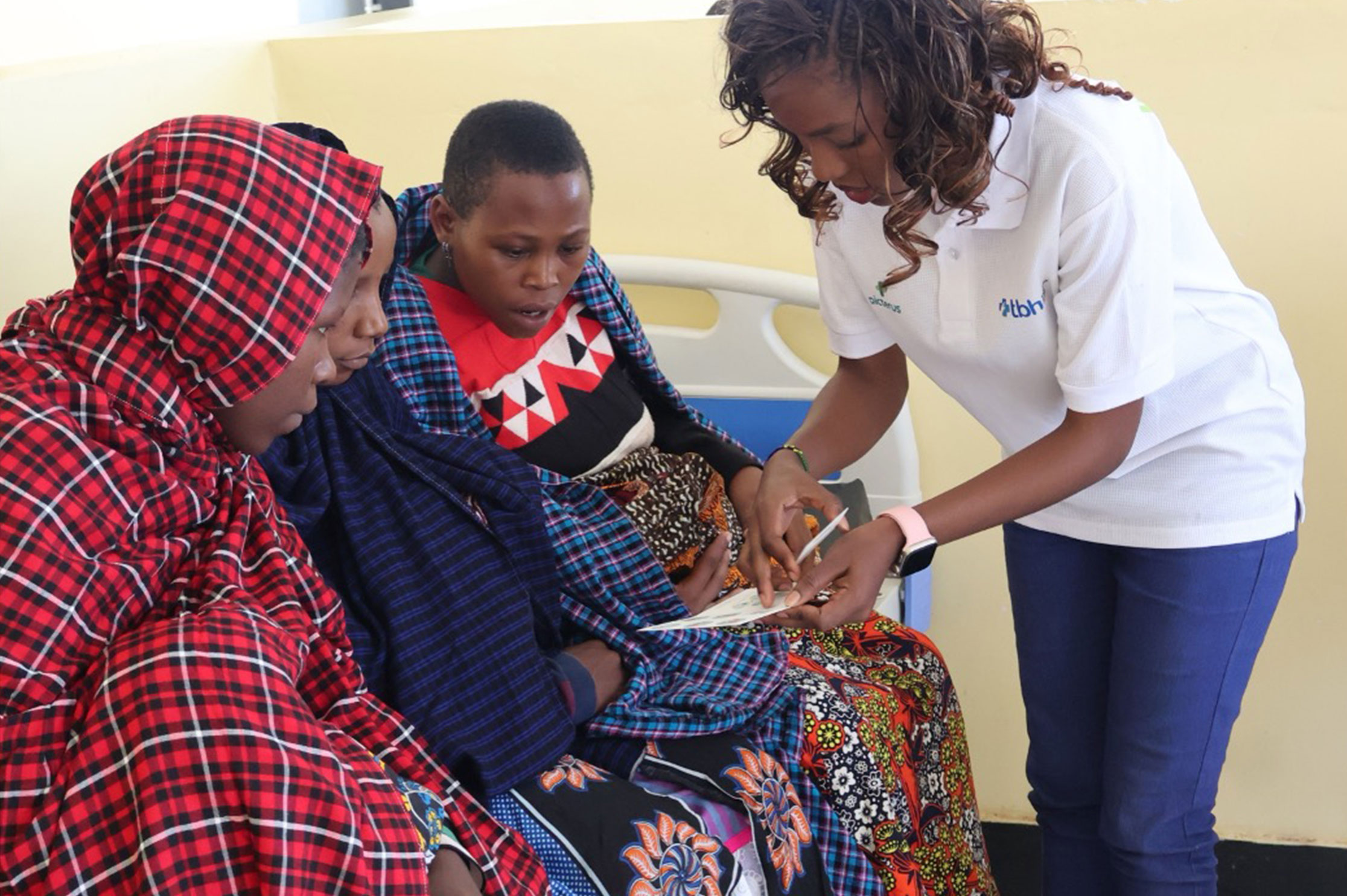
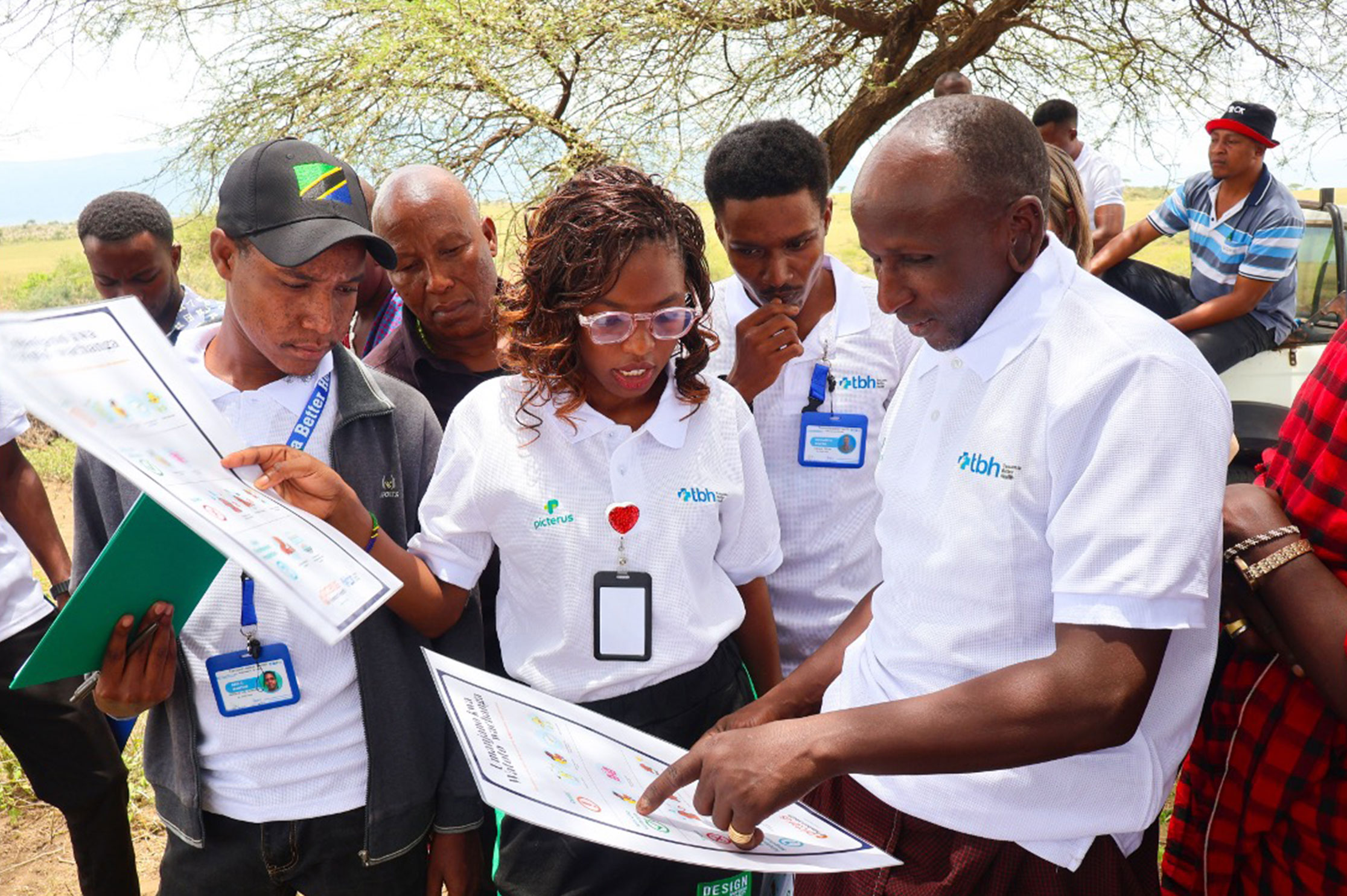
Project: Strengthening Early Detection and Community Awareness of Neonatal Jaundice through Picterus Screening and Mobile Health Outreach
The Context: In Tanzania, neonatal jaundice remains a common but often poorly understood condition, particularly in rural and hard‑to‑reach areas. Limited awareness among families, together with gaps in access to routine newborn follow‑up, means that jaundice is frequently recognised too late, increasing the risk of serious complications. This challenge is especially pronounced in many rural Maasai communities, where connections to formal health services are limited, making timely access to care for newborns and their families difficult. Strengthening awareness and early identification is therefore essential to protecting newborn health.
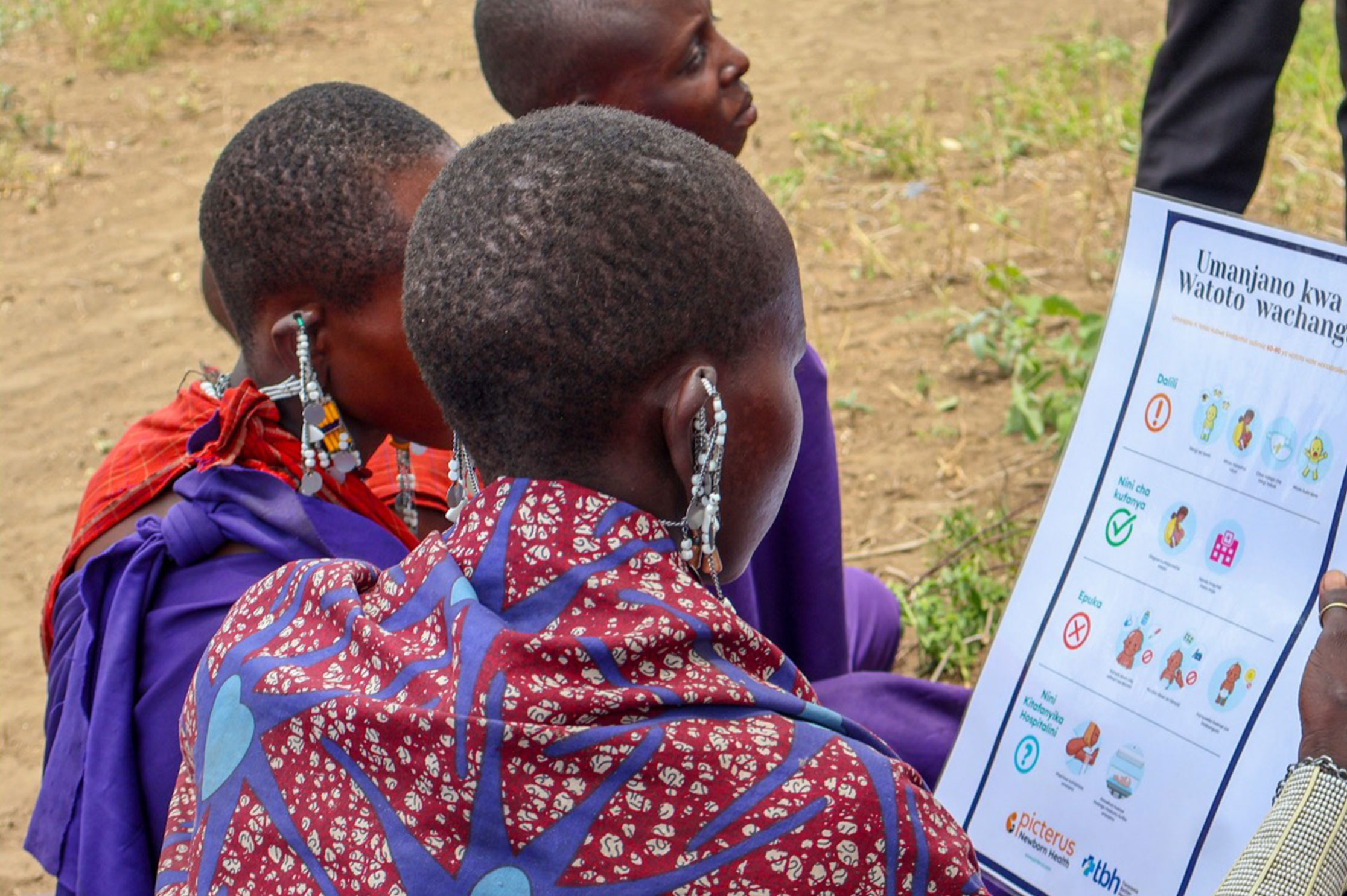
Our Goal: The Tanzania pilot outreach project was integrated into pre‑planned community health outreach activities, which was essential for effective coordination and local acceptance. Working through established community structures helped build trust, ensure cultural appropriateness, and enable meaningful engagement with families.
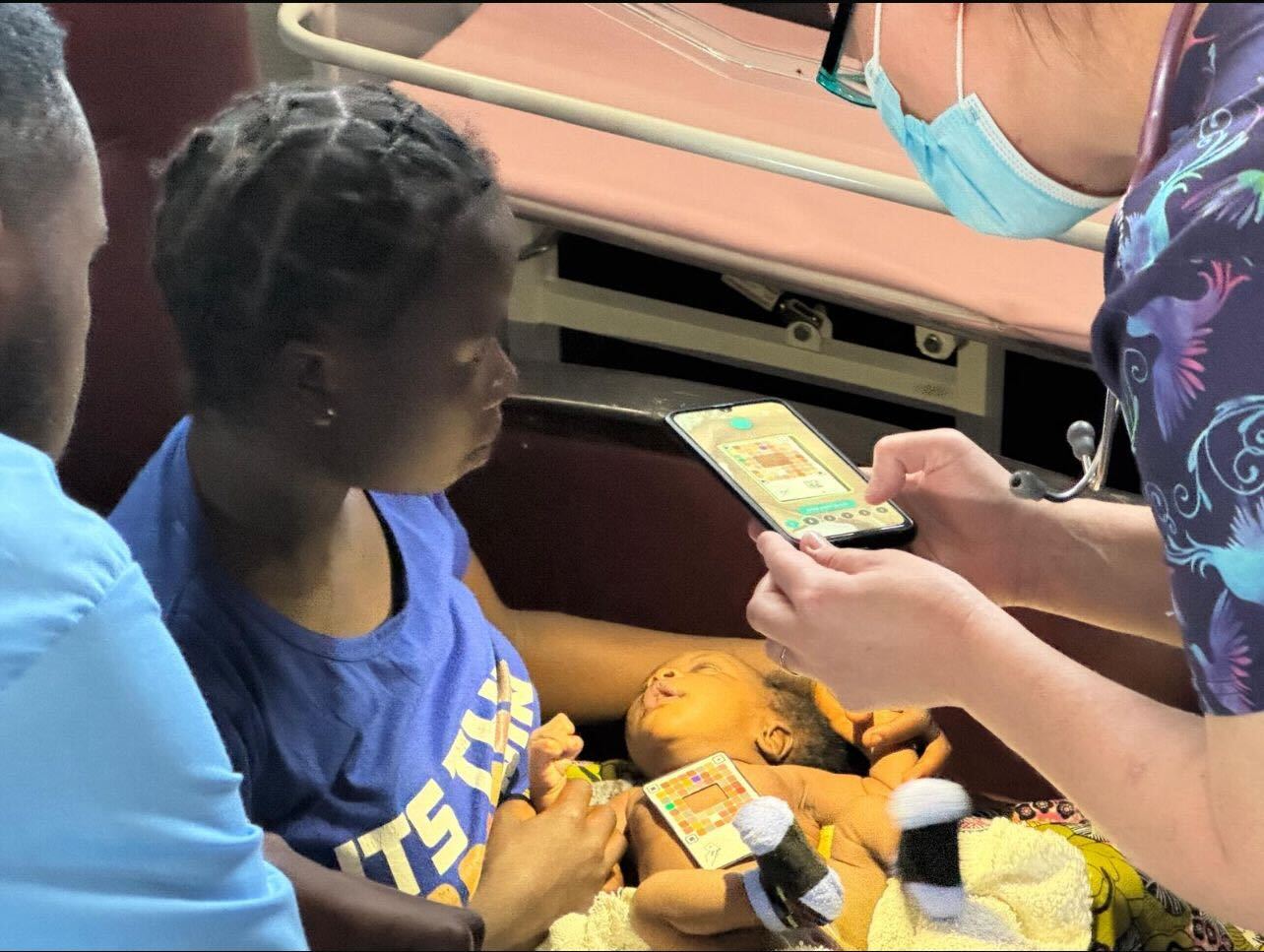
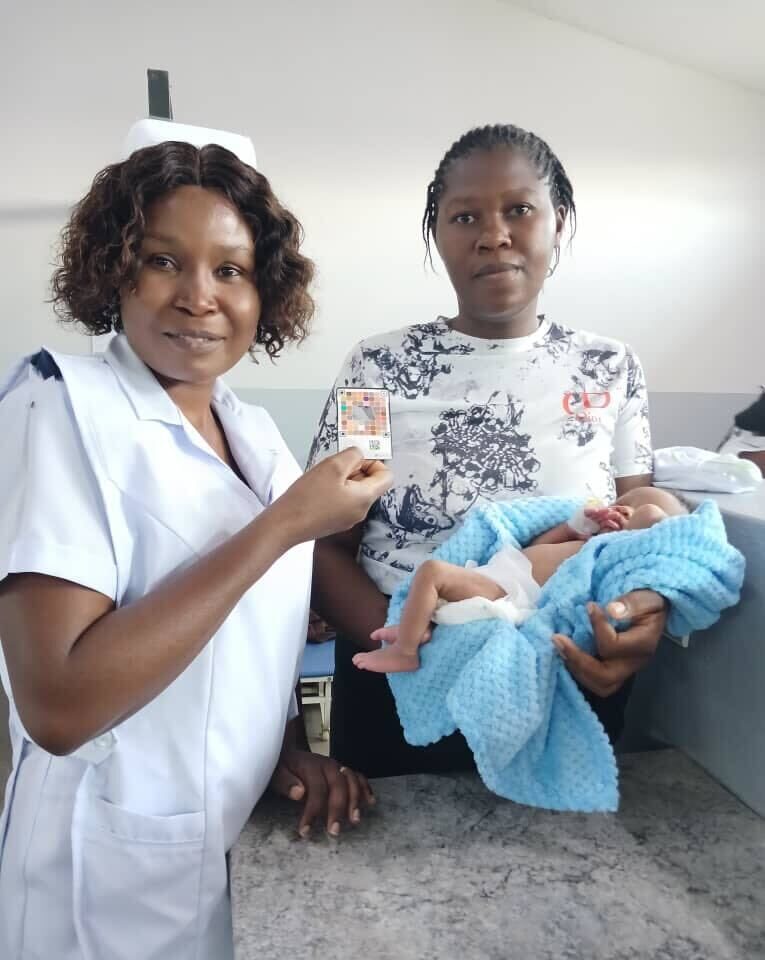
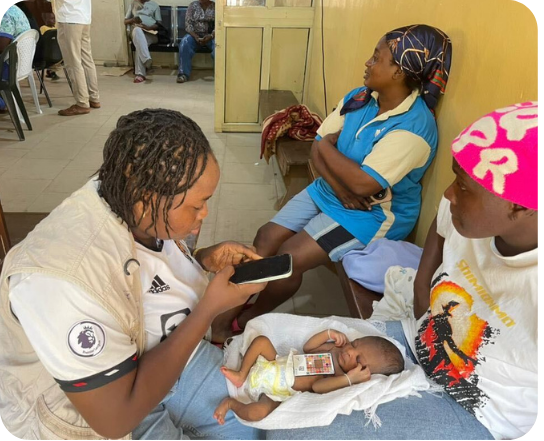
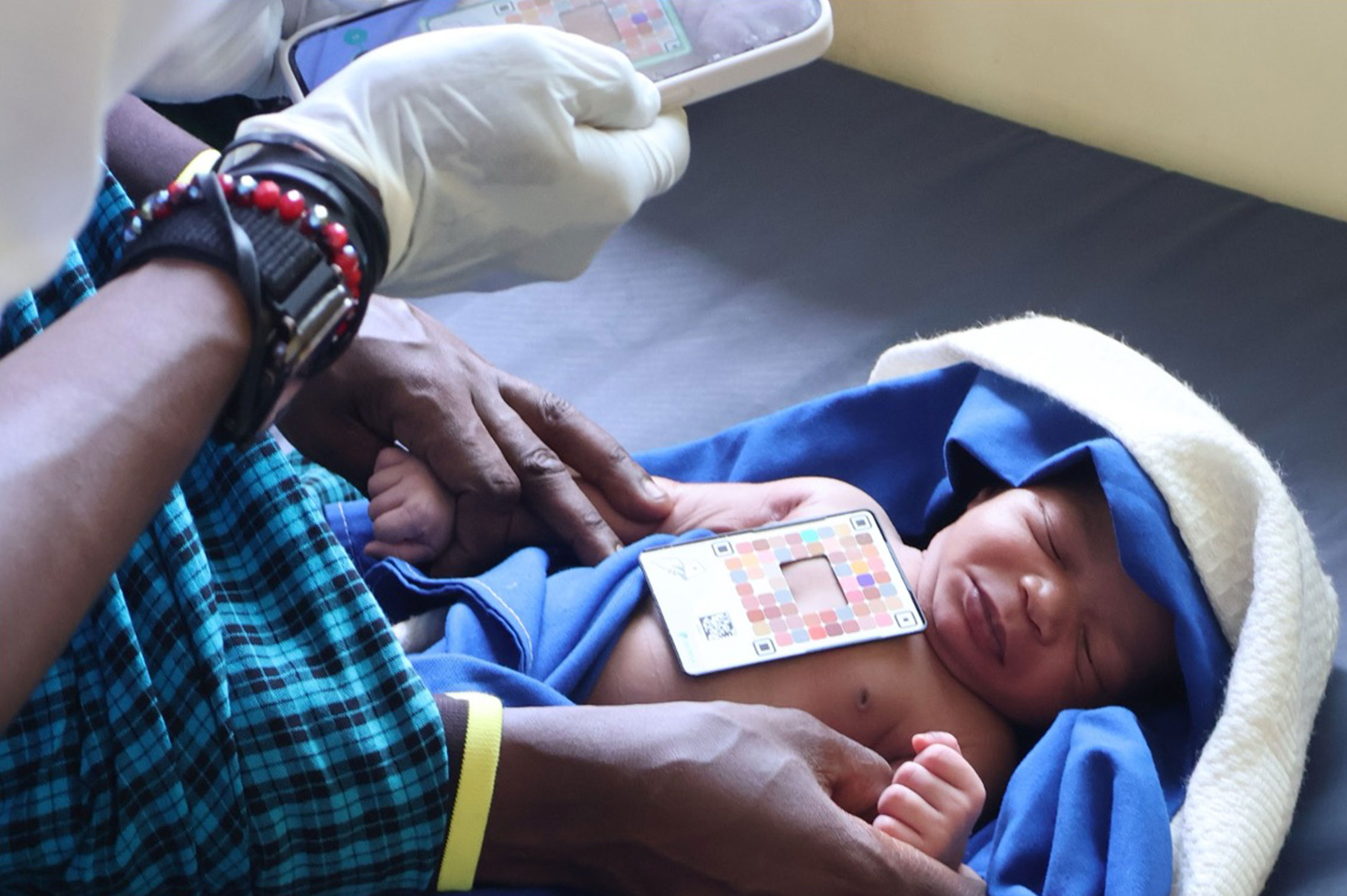
The project aimed to support newborns from the dangers of jaundice through early detection and community education. With community involvement, families embraced the initiative, helping to raise awareness and support timely care. Using simple, smartphone‑based technology, health workers screened newborns across three separate locations in the Monduli region, reaching families who would otherwise have limited access to health services. The Tanzania project showed that the Picterus screening solution works well in these settings and was well accepted by healthcare workers, parents and the extended community.
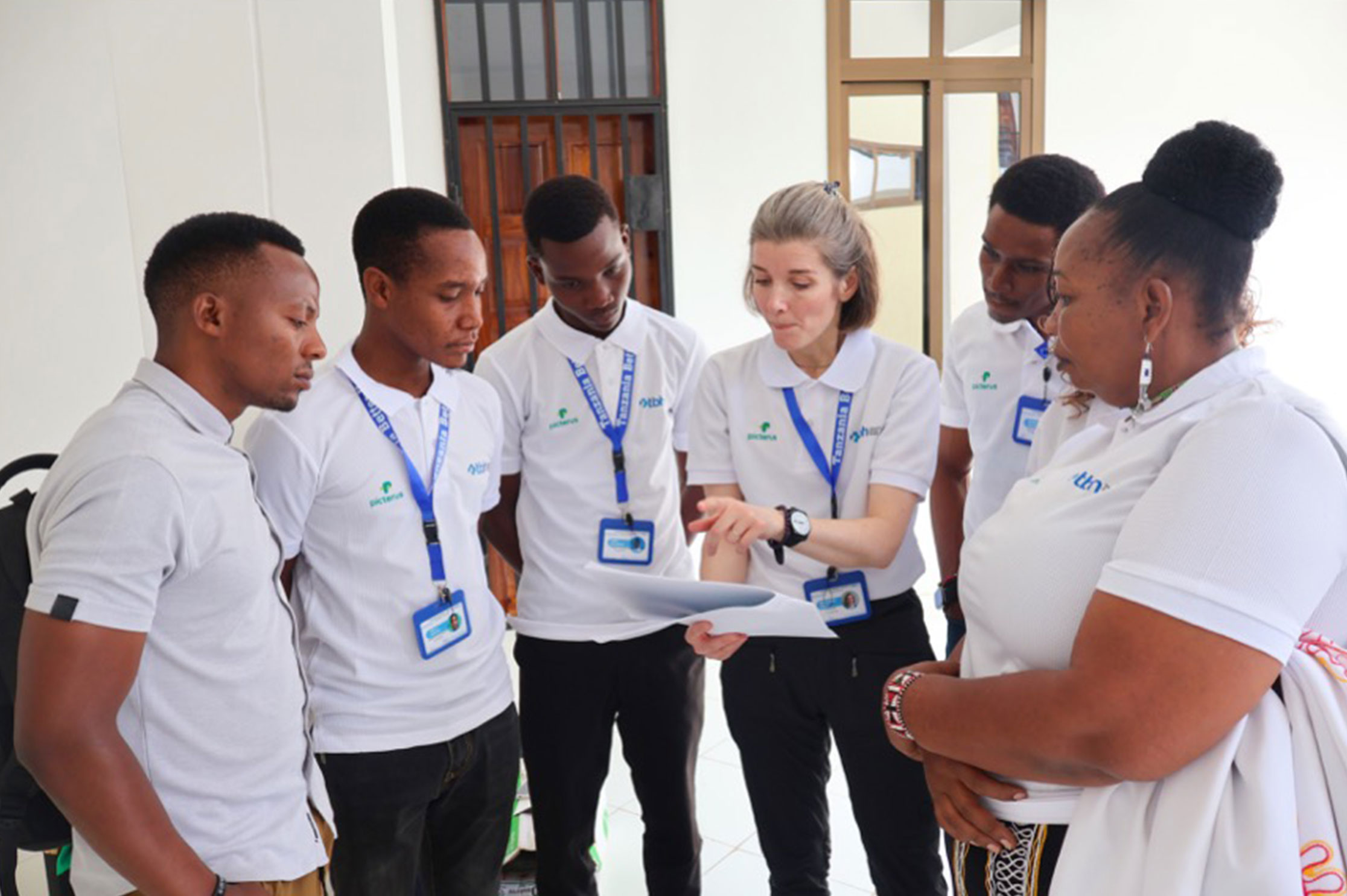
Photo credit - Tanzania Better Health
Location: Kapiri Mposhi, Zambia
Date: 30th October 2025 – ongoing
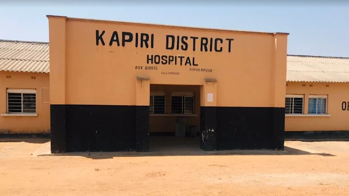
Partner: Kapiri District Hospital
Project: Bright Starts – Neonatal Jaundice Screening Using the Picterus® Jaundice Pro App: Quality Improvement Project in Kapiri, Zambia.
The Context: Neonatal jaundice remains a common and serious challenge in Zambia, with a significantly higher risk of long‑term neurological harm compared to high‑income settings. Screening currently relies mainly on visual assessment, which is subjective and often delayed. Postnatal follow‑up typically takes place several days after birth—sometimes after bilirubin levels have already peaked—while limited community awareness and gaps in healthcare worker training further increase the risk of late detection. In addition, many facilities lack access to basic antenatal screening and objective methods for measuring bilirubin levels, and laboratory testing is rarely available or timely.
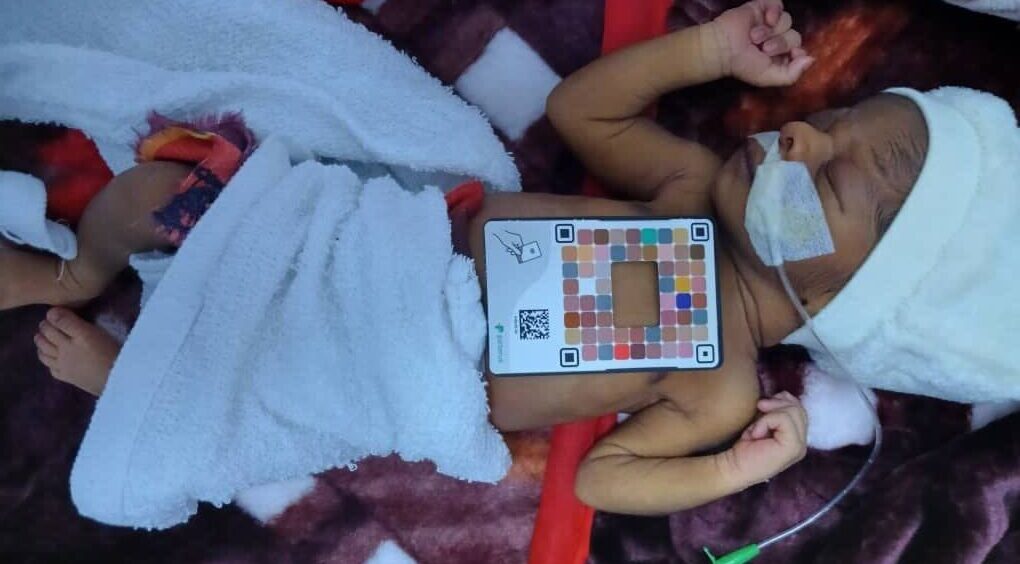
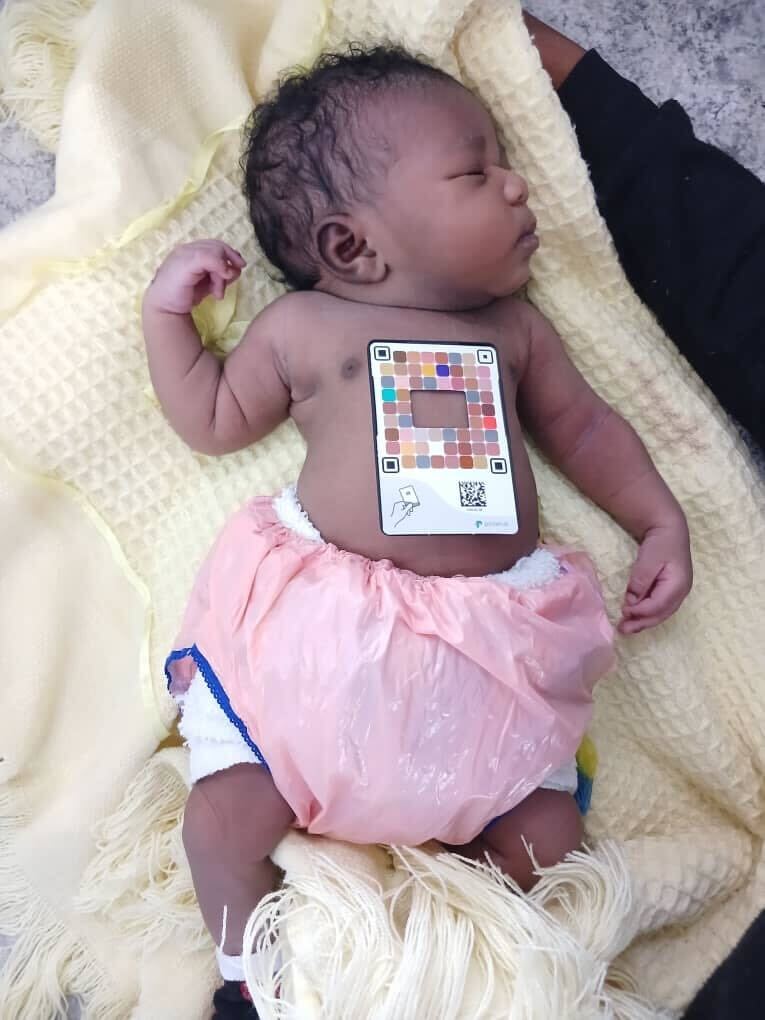
This project addresses these gaps by introducing Picterus Newborn Health activities, including the Picterus Jaundice Pro app. This smartphone‑based solution enables rapid, non‑invasive, and objective jaundice screening without the need for laboratory infrastructure, making it well suited for low‑resource clinics. Combined with targeted education for healthcare providers and families, the project aims to strengthen early, standardised screening and awareness, reduce missed or delayed diagnoses, and improve outcomes for newborns at risk of jaundice.
Our Goal: The Zambia project is designed as a three‑phase initiative to strengthen early detection and management of neonatal jaundice in the Kapiri District. Phase 1 focused on Kapiri District Hospital, which already had treatment capacity in place, but no reliable screening available. In close collaboration with local resident follow-up Seaman and her dedicated team at the hospital, we aim to strengthen screening practices, clinical workflows, and early identification of at‑risk newborns so they can receive the necessary care. Subsequent phases extended screening to Kapiri Urban Clinic and strengthened referral and follow‑up pathways between facilities. Overall, the project aims to ensure that newborns are identified early and connected efficiently to follow-up treatment, reducing preventable complications and improving early health outcomes.
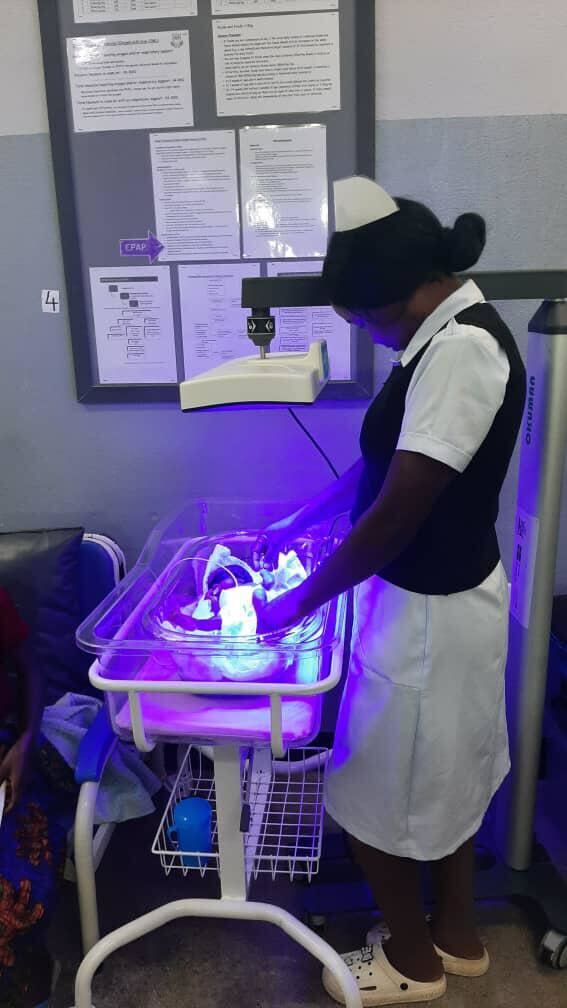
The project also included the provision of a phototherapy unit to Kapiri Urban Clinic to support on‑site treatment for newborns identified as needing care. We extend our sincere thanks to our partner DayOneHealth for their generous donation of the phototherapy unit and their ongoing support of the project.
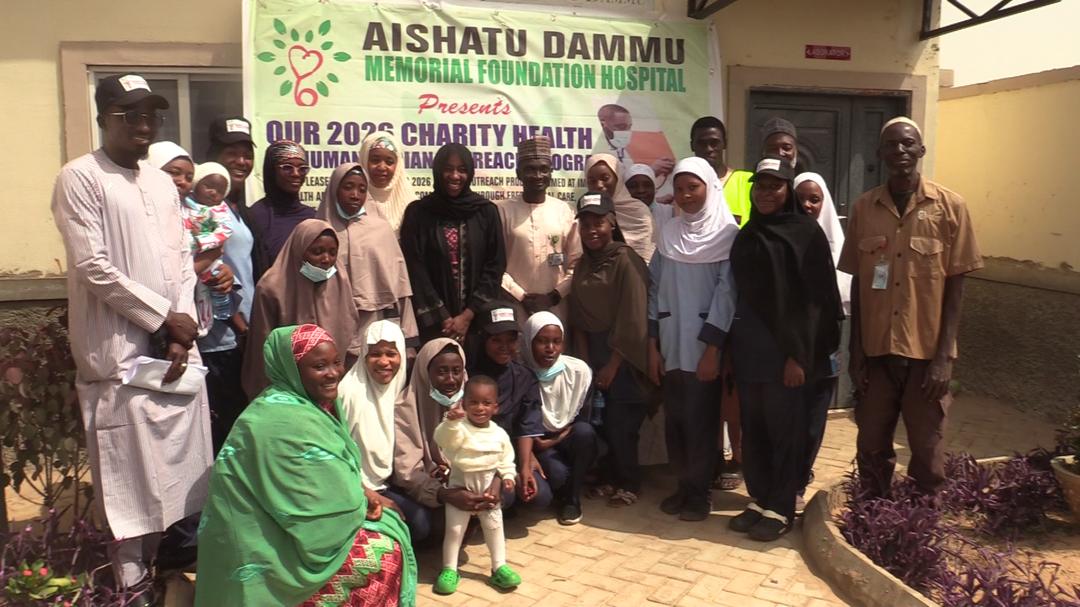
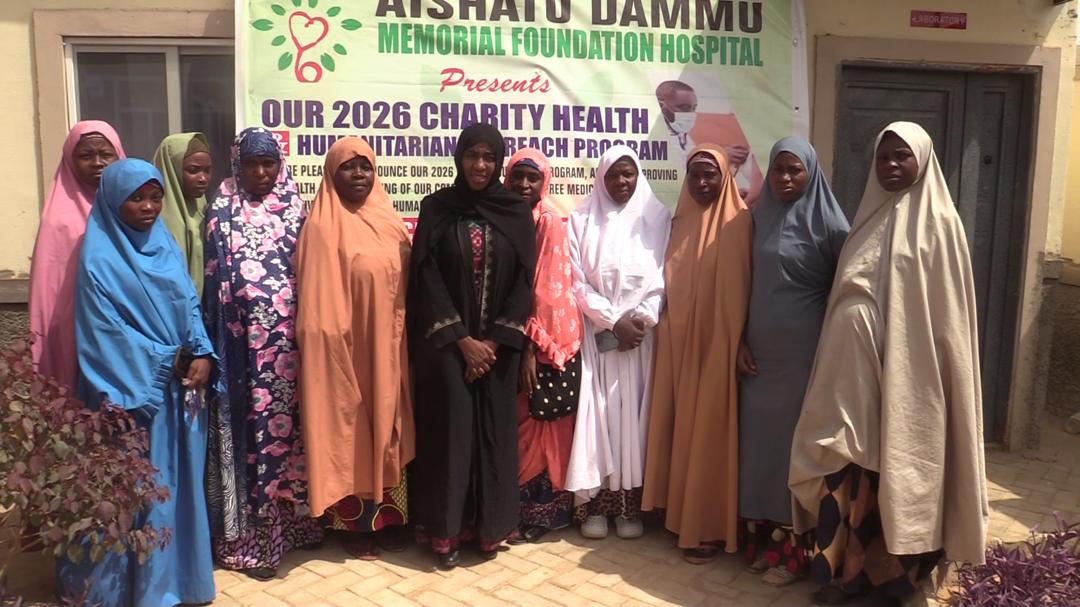
Location: Rigachikun, Nigeria
Date: February 2026 – May 2026
Partner: Aishatu Dammu Memorial Hospital
Project: Neonatal Jaundice Screening Using the Picterus® Jaundice Pro App: Pilot
Feasibility Project in Rigachikun, Nigeria
The Context: Although research shows that 60–80% of newborns develop jaundice worldwide, there are zero reported cases over a 10-month period in this region of Nigeria. This doesn’t mean babies weren’t affected; it shows that jaundice is not being detected. The lack of reported cases is likely due to low awareness among health workers and families about jaundice and its risks, as well as limited or inadequate screening tools to identify the condition early. Because of this, babies born at home or in small clinics face a high risk of having undiagnosed jaundice. If missed, jaundice can worsen and lead to preventable brain damage (kernicterus), lifelong disability, or even death.
Our Goal: The goal of this pilot project is to strengthen the early identification and management of neonatal jaundice in the Rigachikun community. To achieve this, we are working closely with the healthcare workers at Aishatu Dammu Memorial Hospital, who are receiving specialized training on neonatal jaundice and are equipped with a simple, reliable, and objective screening tool: Picterus Jaundice Pro. The project tests whether Picterus can be easily and reliably integrated it into the routine care of newborns. Alongside jaundice screening, the project strengthens local care capacity by increasing community awareness about neonatal jaundice in coordination with the hospital team, and by improving access to treatment through the donation of a phototherapy unit to the hospital.

Jaundice, also known as hyperbilirubinemia, affects 60–80% of newborns globally 1. Approximately 10% of these cases progress to severe neonatal jaundice 2.

Every year, approximately 1.1 million newborns, mostly in low-resource settings, develop severe hyperbilirubinemia due to the lack of accessible jaundice screening solutions 3,4.
When jaundice is left undetected and untreated, it can cause significant and irreversible health complications including:

Acute Bilirubin Encephalopathy (ABE):
A critical condition where elevated bilirubin levels cross into the
newborn's brain. Immediate treatment is essential to prevent lasting damage.

Kernicterus: A life-threatening condition with permanent or chronic brain damage secondary to untreated ABE. Consequences include hearing impairment, cerebral palsy, cognitive and development delays and dental problems.
ABE / Kernicterus are 17 times more prevalent in underserved areas than in wealthier countries 5.
While kernicterus is entirely preventable it is crucial to recognize newborns at risk of developing irreversible outcomes 4. Ensuring early detection and treatment of jaundice is key to safeguarding the health and future of newborns worldwide 4, 6.
We are a small team of dedicated and passionate individuals committed to make jaundice screening and care easily accessible to newborns worldwide.
We do not limit ourselves to a particular country or region. We recognize that in order to make a difference and provide lasting change, it is incredibly important to work together with local authorities, partners and communities, tailoring our approach to each unique project.
Thanks to the collaboration between our valued in-country partners, we are able to help more families and newborns and move closer toward our goal of giving every baby the best start in life.
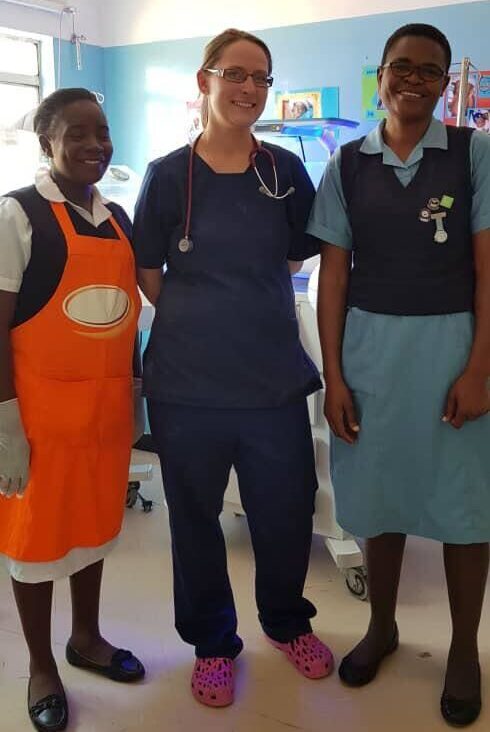
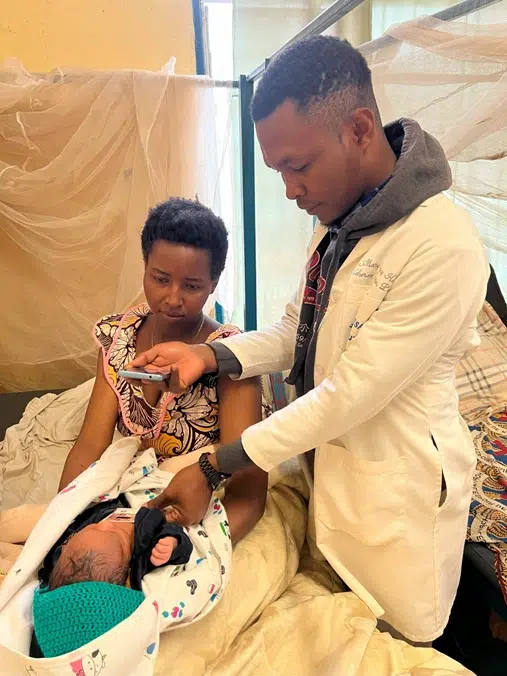
Photo credit: Dr. Jennifer Harling, Kibuye Hope Hospital, Burundi
Our focus is on low-resource settings and making sure jaundice screening and care is readily available
Video credit: Dr. Jennifer Harling, Kibuye Hope Hospital, Burundi.
Join our mission to make jaundice screening accessible to newborns globally, giving every baby the best start in life.
Your donation will support our global efforts to provide awareness, education, screening, and treatment for neonatal jaundice—reaching the most vulnerable newborns who need it most.
For our donors in Norway, Sweden, Finland and Denmark we welcome you to use the Vipps information provided to donate.
This Course will equip you with the essential knowledge and practical skills to confidently assess and manage neonatal jaundice, using tools like Picterus® Jaundice Pro for accurate screening. You’ll also explore clinical guidelines and best practices to ensure that your decisions align with clinical recommendations.
The course is free! Sign up today!